
The Fitzgeraldas’ Marriage and Work
A Moveable FeastThis flow traces the cycle in which F. Scott Fitzgerald’s desire to work collides with Zelda Fitzgerald’s social restlessness and their shared drinking life.
increasing Bearing strength in each event
 decreasing
Bearing strength in each eventdecreasingA Restless Paris Lunch
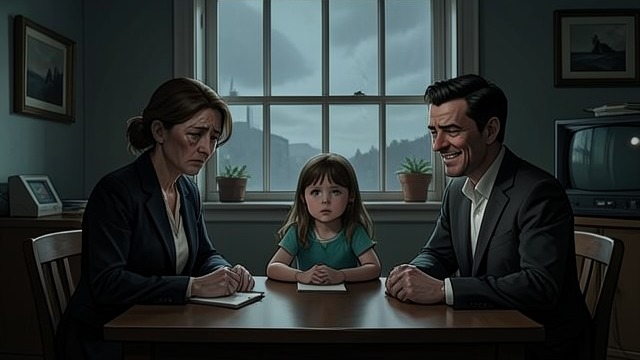
A Restless Paris Lunch
A Tense Household
Zelda Fitzgerald arrives hung over after a night out, while F. Scott Fitzgerald tries to play a cheerful host. Their daughter and the gloomy apartment make the strain of domestic life visible.
Jealousy and Work
Zelda is jealous of the time Scott spent with Ernest Hemingway, and Scott is trying to protect a new resolve to work. The lunch anticipates the recurring conflict between professional concentration and social life.
A Repeating Cycle

A Repeating Cycle
Resolve and Disruption
F. Scott Fitzgerald decides to exercise, avoid all-night drinking, and write regularly. Once work begins to go well, Zelda Fitzgerald complains of boredom and draws him back toward parties.
A Pattern Hardens
They quarrel, reconcile, and repeat the sequence. Hemingway sees not a single bad evening but a cycle that makes sustained work increasingly difficult.
Loss of the Old Defense

Loss of the Old Defense
Alcohol’s Changing Effect
The Fitzgeralds once fell asleep after drinking before alcohol could produce prolonged damage. Over time, Zelda can drink more than Scott, and Scott drinks to remain awake in places he dislikes.
Greater Exposure
Their former pattern no longer protects them. Drinking becomes a source of jealousy, fear, and lost working time rather than a brief social release.
The Riviera Promise

The Riviera Promise
A Planned Renewal
F. Scott Fitzgerald imagines a disciplined summer on the French Riviera: swimming, sun, limited aperitifs, and daily work. He hopes Zelda will be happy there and that their marriage will recover its earlier rhythm.
Hope Against Evidence
The plan promises a fresh start, but the Paris pattern has already repeated itself. Fitzgerald’s optimism reveals both his love for Zelda and his difficulty accepting how entrenched their conflict has become.
The Secret at Juan-les-Pins
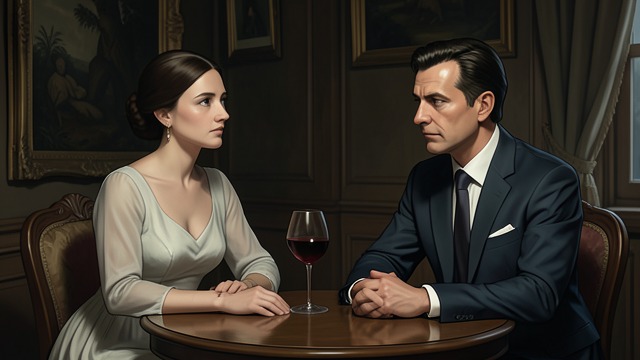
The Secret at Juan-les-Pins
A Calm Appearance
Zelda Fitzgerald appears beautiful, clear-eyed, and friendly after the move south. The gathering seems to confirm F. Scott Fitzgerald’s hope that a more disciplined life is possible.
A Disturbing Disclosure
Zelda quietly tells Ernest Hemingway that Al Jolson is greater than Jesus. Hemingway sees the comment as an early sign of a deeper illness, though no one at the party understands its significance then.
during the lunch at the Fitzgeralds’ Rue Tilsitt flat
during the late spring Paris party season
as the Fitzgeralds’ drinking habits intensify
before the Fitzgeralds leave Paris for the summer
at the welcoming party in Juan-les-Pins
